

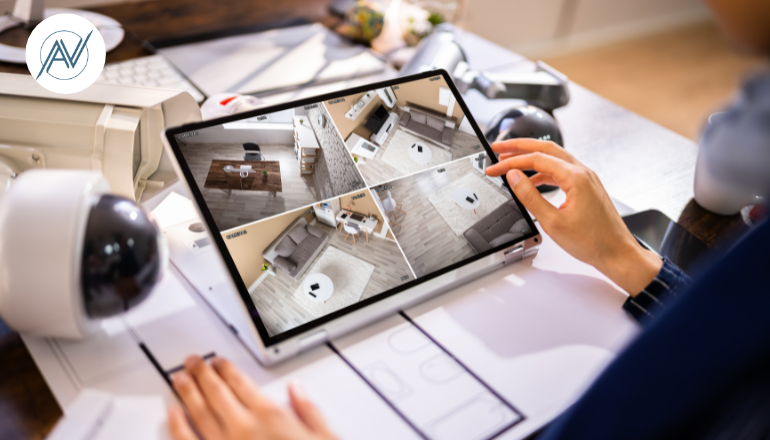
In today’s world, a well-rounded security system is a necessity for businesses, institutions, and residential properties alike. A comprehensive security system not only protects assets but also ensures the safety and peace of mind of those on the premises. Creating an effective security system involves more than just installing cameras; it requires multiple layers of protection. Here’s a look at the essential components that make a security system complete and reliable.
1. CCTV Cameras
CCTV cameras are at the heart of any security system, serving as the eyes on the premises. Modern CCTV systems include IP cameras, analog cameras, and dome cameras that provide high-resolution footage and real-time monitoring. For enhanced functionality, these cameras can come with night vision, motion detection, and weather-resistant features, making them suitable for both indoor and outdoor use. CCTV cameras deter potential criminals and provide a visual record that can be used for evidence or monitoring daily activities. When strategically placed, they offer comprehensive coverage of vulnerable areas and high-traffic zones.
Digital Video Recorders (DVRs) and Network Video Recorders (NVRs)
While CCTV cameras capture footage, DVRs and NVRs are responsible for storing it. DVRs work with analog cameras, whereas NVRs are designed for IP cameras. These recorders allow for continuous recording and playback, making it easy to retrieve footage as needed. High-capacity DVRs and NVRs can store weeks or months of footage, depending on storage needs, and some even offer remote access features, allowing users to view live or recorded footage from anywhere. Reliable video storage is essential, as it provides valuable information for investigations and is a critical part of incident resolution.
3. Access Control Systems
An access control system regulates who can enter specific areas within a facility. Access can be granted through methods like key cards, biometric identification, or PIN codes, adding a layer of security beyond traditional locks and keys. Access control is particularly valuable in restricting entry to sensitive or high-risk areas such as data centers, offices, or storage rooms. These systems not only enhance security but also provide a record of entries and exits, helping businesses monitor access patterns and improve internal security management.
4. Intrusion Detection Systems
Intrusion detection systems detect unauthorized entry attempts, usually through sensors on doors, windows, and other entry points. These systems sound alarms or send alerts when they detect forced entry, motion, or glass breaking. Intrusion detection systems are essential for protecting against break-ins, as they provide an immediate alert, allowing for a rapid response. When integrated with other security components, they create a robust barrier that protects the entire property.
5. System Monitoring and Maintenance
A security system is only as reliable as its upkeep. Regular monitoring and maintenance ensure that each component functions optimally. Monitoring services, which include remote observation and incident response, help identify and respond to potential security issues in real time. Regular maintenance is essential for the longevity of security equipment, as it involves routine checks, software updates, and timely repairs to prevent malfunctions.
Conclusion
A comprehensive security system combines CCTV cameras, DVR/NVR storage, access control, intrusion detection, and regular monitoring. Each component plays a vital role, working together to create a secure and protected environment. By integrating these essential components, businesses and property owners can ensure all-round safety, operational efficiency, and peace of mind. At AV SECURE, we design and implement complete security solutions that incorporate these components, providing our clients with reliable, high-quality security systems tailored to their specific needs.